
Service
Property Grading for Sod & Seed
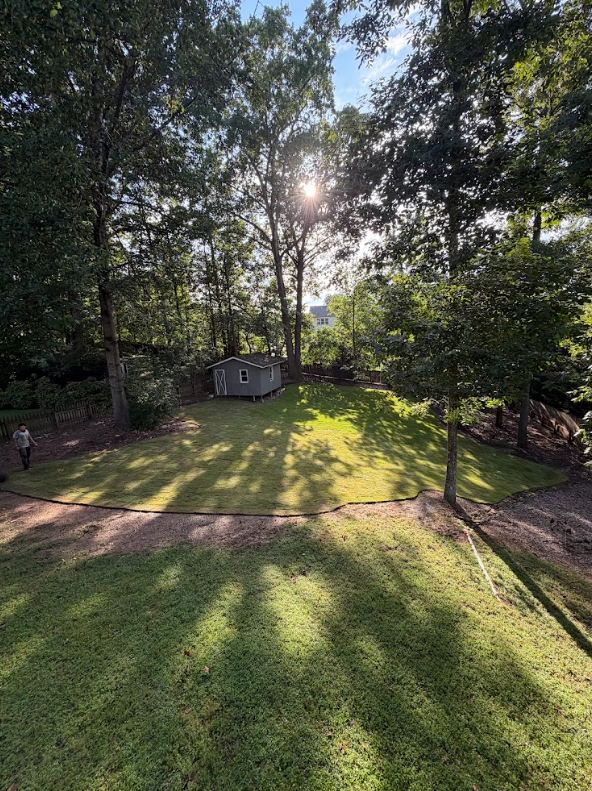
New grass only looks as good as the ground underneath it. Grading shapes the soil so sod knits down evenly and seed does not wash into the low spots.
Overview
Property grading for sod and seed is the finish work that happens after the heavy dirt moving is done. The surface is cut and filled until the slope is consistent, then the top few inches are worked loose so roots have something to grab.
Most lawn problems that homeowners blame on grass or fertilizer are really shape problems. Water sitting in a dip drowns new sod. A hump left by an old stump grind scalps every time the mower crosses it. Ruts from a build-out hold moisture long after the rest of the yard dries.
Grading solves those issues before the first roll of sod comes off the pallet, which is far cheaper than fixing them afterward.
Common Reasons Property Owners Need This Service
New construction cleanup
Yards left rough after a build often need cut and fill work, rock and debris removal, and a final smoothing pass before landscaping.
Bare or failing lawn
When grass keeps dying in the same spots, the ground shape and drainage usually need attention before replanting.
Low spots and standing water
Small dips collect water and kill new grass. Filling and blending them keeps the surface draining.
Mower scalping and rough ground
Uneven ground makes mowing miserable. Grading levels the ridges left by old stumps, trenches, and settling.
Slope away from the house
Final grade should carry water away from the foundation, not toward it.
What a Project May Involve
- 1Walk the property and talk through where water goes and what the finished lawn needs to do.
- 2Remove debris, rock and old root material that would interfere with a smooth surface.
- 3Rough grade to establish slope, cutting high areas and filling low areas.
- 4Work the surface with a blade or rake attachment until it is even and firm.
- 5Leave the ground ready for sod, seed, or a landscape crew to follow behind.
Residential Applications
- • Front and back yard grading before sod installation
- • Repairing lawn areas damaged by construction traffic or utility work
- • Leveling ground around new patios, sheds and additions
- • Smoothing ruts, ridges and settled trench lines
Small Commercial Applications
- • Grass areas around small commercial buildings and offices
- • Grading strips along parking areas and driveways before seeding
- • Preparing landscape islands and open ground on small sites
Questions
Property Grading for Sod & Seed — Questions
- Can grading help prepare a yard for sod?
- Yes. Sod needs an even, firm surface with a consistent slope so it makes full contact with the soil. Grading is the step that creates that surface.
- How smooth does the ground need to be before sod?
- Smooth enough that a straight edge or the back of a blade does not find noticeable humps or dips. Small imperfections telegraph through the finished lawn.
- Do you install the sod or seed too?
- The scope we quote is the grading and soil preparation. Many customers have us finish the grade and then have their landscaper or themselves lay the sod.
- Will grading fix a soggy yard?
- Grading can correct shape problems that cause water to sit. If the issue is a larger runoff pattern, drainage work may need to be part of the plan.
- Is topsoil included?
- Topsoil is priced separately when a property needs it. Some yards have enough workable soil already, others need material brought in.
- How long does yard grading take?
- Small yards are often a one-day job. Larger properties, heavy debris, or significant cut and fill add time.
Planning a Grading or Clearing Project?
Call Hugo Grading & Clearing at (470) 430-8701 or request an estimate online.