
Service
Driveway Grading & Gravel Installation
A gravel driveway fails for one reason more than any other: water sitting on it. Shape fixes that, and shape is what grading is.
On the job
driveway grading and gravel installation in Action
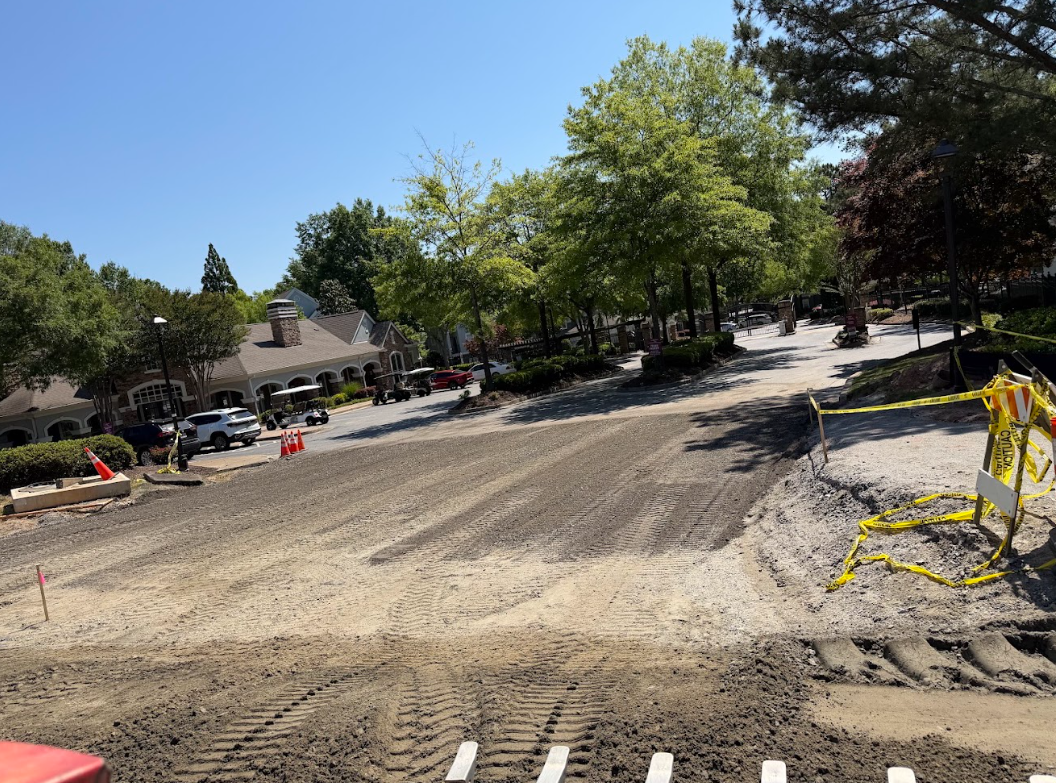
Driveway grading and gravel installation work on a residential property
Overview
Driveway work covers both ends of the life cycle — building a new gravel drive from the subgrade up, and bringing an existing one back after years of traffic and weather.
The surface should be crowned or sloped so rain runs off to the sides rather than down the middle. The edges need somewhere to send that water. And the base has to be firm enough that new stone does not disappear into soft ground.
Adding gravel to a driveway that has lost its shape is the most common mistake. The new stone follows the old ruts, the water keeps running the same path, and within a season the problem is back. Regrading first is what makes the material last.
Common Reasons Property Owners Need This Service
Potholes and washboarding
Depressions hold water and get deeper with every vehicle that hits them.
Ruts and a sunken center
When the middle is lower than the edges, the drive becomes the drainage channel.
Thin or bare spots
Stone migrates and wears through. Regrading and topping restores a consistent surface.
New driveway or extension
New drives, turnarounds, parking pads and access lanes built from the subgrade up.
Washouts on slopes
Sloped drives need water broken off the surface before it gains enough speed to cut.
What a Project May Involve
- 1Drive and walk the length, noting where water enters, sits, and exits.
- 2Scarify and reshape the existing surface to re-establish a crown or cross slope.
- 3Address soft spots in the base before new stone goes down.
- 4Spread and level gravel to a consistent depth.
- 5Shape edges and shoulders so runoff leaves the surface.
Residential Applications
- • Regrading long rural and wooded driveways
- • New gravel driveway installation and extensions
- • Filling potholes and repairing rutted approaches
- • Gravel parking pads, turnarounds and RV or trailer spots
Small Commercial Applications
- • Gravel access drives and small parking areas
- • Equipment and delivery lanes on small commercial sites
- • Maintenance regrading on gravel yards
Questions
Driveway Grading & Gravel Installation — Questions
- When does a gravel driveway need to be regraded?
- When water stands on it, ruts form, potholes come back after being filled, or the center sits lower than the edges. Most drives need attention periodically depending on traffic and slope.
- Can you just add gravel instead of regrading?
- You can, but new stone follows the existing shape. If the drive has lost its crown, adding material without reshaping usually buys a short-term improvement only.
- What kind of gravel is used on a driveway?
- It varies by base condition, traffic and slope — a coarser base stone under a finer surface layer is a common approach. We will recommend based on what your drive is doing.
- How thick should driveway gravel be?
- Depth depends on the subgrade and the traffic. Soft ground needs more base; a firm existing drive may only need a surface course.
- Why does my driveway wash out when it rains?
- Usually because water is running along the drive rather than off it. Re-establishing the crown and giving water an exit at intervals is the fix.
- Can you grade a long driveway through woods?
- Yes. Wooded drives also tend to need shoulder and ditch attention because leaves and debris block the water's exit.
- How long does driveway grading take?
- Many residential drives are a one-day job. Length, base repairs and gravel volume are what extend it.
Planning a Grading or Clearing Project?
Call Hugo Grading & Clearing at (470) 430-8701 or request an estimate online.